He Won’t Go to the Doctor…So How Does Your Plan Know He’s Sick?
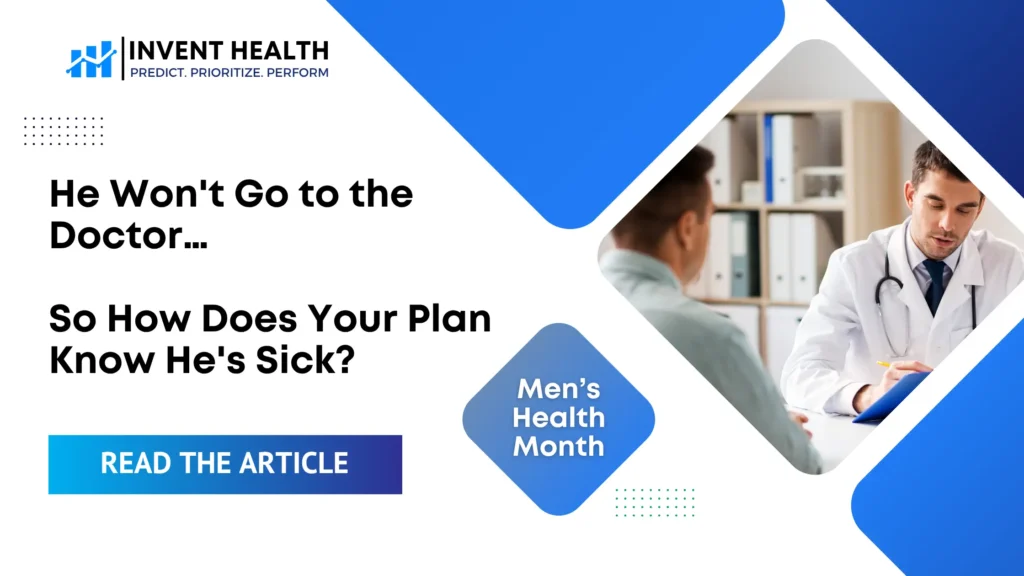
Many male members delay preventive care, creating documentation gaps and hidden risk. Learn how prospective risk adjustment strategies can help health plans identify and manage risk earlier.
How NLP Improves HCC Capture Accuracy
See how NLP lifts HCC capture accuracy by surfacing evidence, keeping a coder in the loop, and measuring capture where it pays: CMS acceptance.
Why Risk Adjustment Performance Numbers Never Reconcile
Coding, encounters, and finance each report risk adjustment performance accurately and never agree. The disagreement is the finding, not a reporting error.
Revenue Integrity in Risk Adjustment
Revenue integrity in risk adjustment depends on what CMS accepts, not what you send. See where RAF leaks and how analytics closes each point of loss.
CY 2027 Medicare Advantage Final Rate Announcement

CMS finalized the CY 2027 Medicare Advantage and Part D Rate Announcement with a 2.48% payment increase and a softer normalization impact of -1.12%. The final rule retains the 2024 Part C risk adjustment model and excludes audio-only and unlinked chart review diagnoses from RAF calculations. Learn what these changes mean for health plan compliance, provider workflows, and risk adjustment strategy heading into 2027.
The AI Question in Risk Adjustment Is a Liability Question
AI in risk adjustment is judged on what it finds. The question that decides its value is whether a capture can be defended three years later at audit.
Risk Adjustment Analytics That Hold Up at Audit
Risk adjustment analytics should show what moves RAF, not just more suspects. How plans, provider groups, and health systems measure and defend performance.
How to Find Documentation Gaps in Risk Adjustment Coding
Documentation gaps in risk adjustment cost RAF and audit standing. See where they hide, how to rank them by closure odds, and how to close them earlier.
V28 Risk Adjustment: The Work Most Plans Skipped
V28 was treated as a remapping exercise. It was a change in what documentation has to prove, and most organizations never revisited the practices under it.
A Cautionary Tale: What the recent HHS OIG Report Really Means
The recent HHS OIG report signals a fundamental shift in Medicare Advantage risk adjustment. This article explores what the HHS OIG findings mean for Medicare Advantage risk analytics programs and why traditional coding-focused approaches may now increase audit and regulatory risk.